
.jpg)
.jpg)
Get evidence-based insights on hormones, fertility, and women's health delivered weekly to your inbox.
.svg)
.svg)


©2026 Dr. Sasha Hakman, MD. All Rights Reserved
I understand that every individual or couple’s fertility journey is unique. Whether you’re planning for the future or ready to conceive now, your fertility work-up should be personalized to you. Understanding the basics of a fertility evaluation and your diagnosis can help you take control of your reproductive health.
.png)
.png)
The traditional definition of infertility is the inability to conceive after 12 months of regular, unprotected intercourse when the female partner is under age 35, or for 6 months if 35 years of age or older (unless there is an already known medical condition causing infertility).
Recently, the American Society of Reproductive Medicine (ASRM) updated their definition to be more inclusive, which states that:
“Infertility is a disease, condition, or status characterized by any of the following:”
In 15-20% of cases, even after extensive testing, the cause of infertility remains unknown. However, effective treatment options are available for couples facing unexplained infertility.
It’s important to note that if you feel inclined to undergo fertility testing, you can do so without requiring a diagnosis of infertility.
It is, however, indicated in anyone who has failed to achieve a pregnancy after 12 months of unprotected intercourse if under age 35 or after 6 months for those 35 years or older. Women who are 40 or older should seek fertility evaluation and care more immediately.
Evaluation should not be delayed for this duration if there is a known condition such as: irregular periods, menstrual cycles shorter than 25 days, known or suspected uterine or fallopian tube disease, endometriosis, known male infertility, sexual dysfunction, a known genetic mutation that can be inherited, or requiring use of third party reproduction.
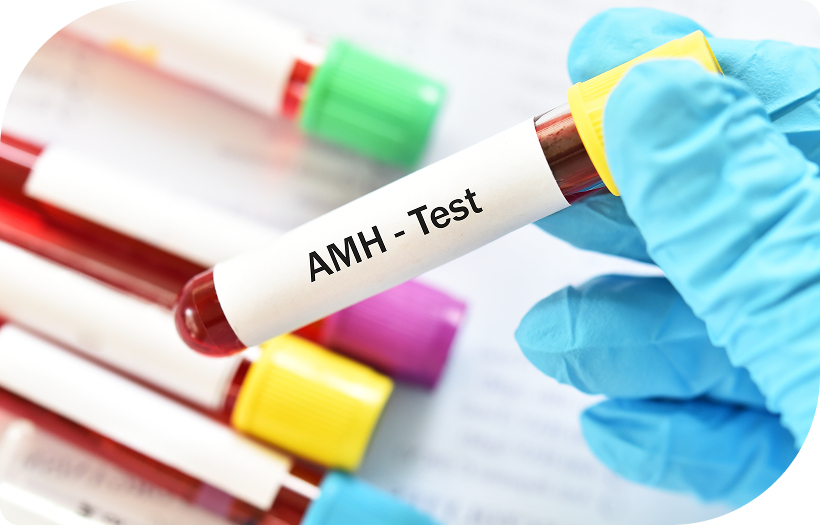
Any evaluation should always start off with a thorough fertility, gynecologic and medical history. This can help guide specific testing for a more comprehensive and personalized fertility evaluation.
Regardless, there are still key factors that are assessed in all new patients who plan to conceive include ovarian reserve, hormone levels, and reproductive anatomy.
This is a quantitative test to assess the amount of eggs remaining in the ovaries:
The main purpose of ovarian reserve testing, is to help guide medication dosing for fertility treatments, particularly, during ovarian stimulation in an IVF or egg freeze cycle.
Any evaluation should always start off with a thorough fertility, gynecologic and medical history. This can help guide specific testing for a more comprehensive and personalized fertility evaluation.
Regardless, there are still key factors that are assessed in all new patients who plan to conceive include ovarian reserve, hormone levels, and reproductive anatomy.
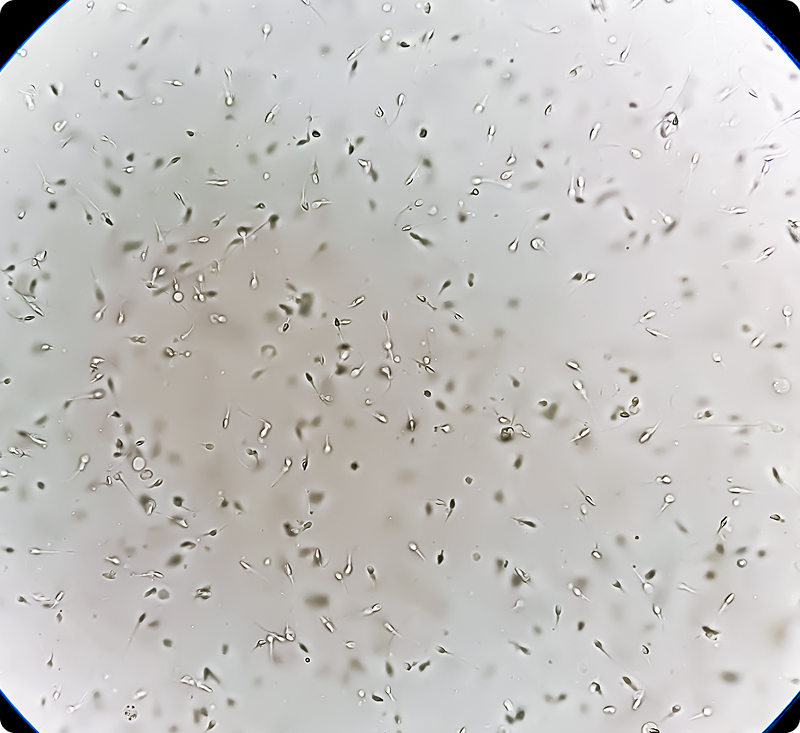
A semen analysis is a diagnostic test used to evaluate a man’s sperm quality. It is a crucial part of a fertility evaluation for couples struggling to conceive since male factor infertility contributes to about 40-50% of infertility cases.
A semen analysis is collected after 2-5 days of abstinence by providing an ejaculate. Semen analysis assesses several important factors related to sperm health, including:
Preconception testing is a set of health assessments and screenings performed before trying to conceive. While it is not related to infertility, it helps identify any underlying medical, genetic, or lifestyle factors that could affect the health of a pregnancy or of the baby. Some testing includes:
Additional testing may be required depending on your history, physical findings and prior diagnosis such as recurrent pregnancy losses, PCOS or endometriosis.
Want to learn more? Contact us at 310 855-3688 or email hello@sashahakmanmd.com or fill out a form today to schedule a consultation!
Check out my blog to help guide you throughout your fertility journey!
.png)
Connect with one of our experienced fertility specialists to explore your options. We’re here to guide and support you every step of the way.
Book an AppointmentGet evidence-based insights on hormones, fertility, and women's health delivered weekly to your inbox.
©2026 Dr. Sasha Hakman, MD. All Rights Reserved