
.jpg)
.jpg)
Get evidence-based insights on hormones, fertility, and women's health delivered weekly to your inbox.
.svg)
.svg)


©2026 Dr. Sasha Hakman, MD. All Rights Reserved
Whether you’ve been trying to conceive without success, or you have a known medical condition affecting your fertility, there are a range of advanced fertility treatments available that can be tailored to your needs. Below is an overview of the various fertility treatment options, which are ultimately based on your diagnosis and family building goals.
.png)
%201.svg)
.jpg)
Ovulation induction is often the first line of treatment for women who are not ovulating regularly (known as ovulatory dysfunction) which typically presents as irregular or absent periods. This treatment involves using oral or injectable medications to stimulate the ovaries to release one or more eggs.The most commonly used medications for ovulation induction are Clomiphene Citrate (Clomid) and Letrozole (Femara), which help recruit a dominant follicle for ovulation.
How It Works:
Administration of ovulation medications being on cycle day 3-5 and are most often taken for a duration of 5 days. This is followed by ultrasound monitoring to ensure there is at least one dominant follicle that has been recruited. Once the follicle(s) reaches a mature size, a medication known as a “trigger shot” is used to reinforce ovulation followed and intercourse or intrauterine insemination (IUI) is timed accordingly.
Who is it for?
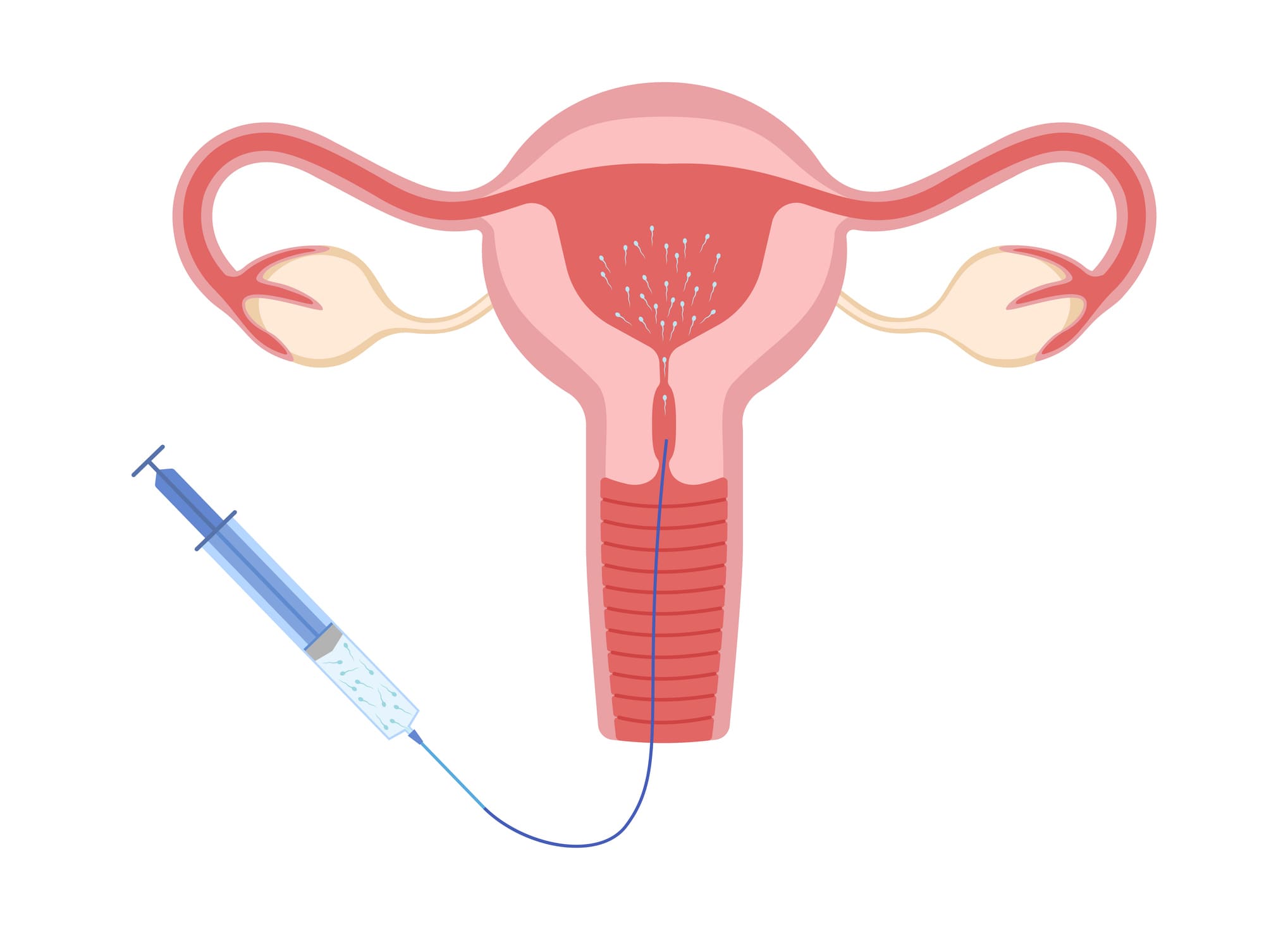
Intrauterine insemination (IUI), also known as artificial insemination, involves placing sperm directly into the uterus during the most fertile time of the woman’s cycle. This procedure increases the chances of sperm reaching the egg.
How It Works: Sperm is collected and washed in an embryology lab and placed in a syringe. Sperm is then inserted into the uterus using a thin catheter. This can be done with or without ovulation-inducing medications.
Who is it for?
.png)
In vitro fertilization (IVF) is the most effective fertility treatment there is (with few exceptions of course). It involves retrieving eggs from the ovaries (after stimulating them), fertilizing the eggs with sperm in a lab, and transferring the resulting embryo(s) into the uterus.
Process (simplified):
IVF success rates vary by age, with younger women typically experiencing higher success. It is also influenced by factors such as egg quality, sperm quality, whether or not there is uterine factor infertility and the lab used for treatment.
Who is it for?
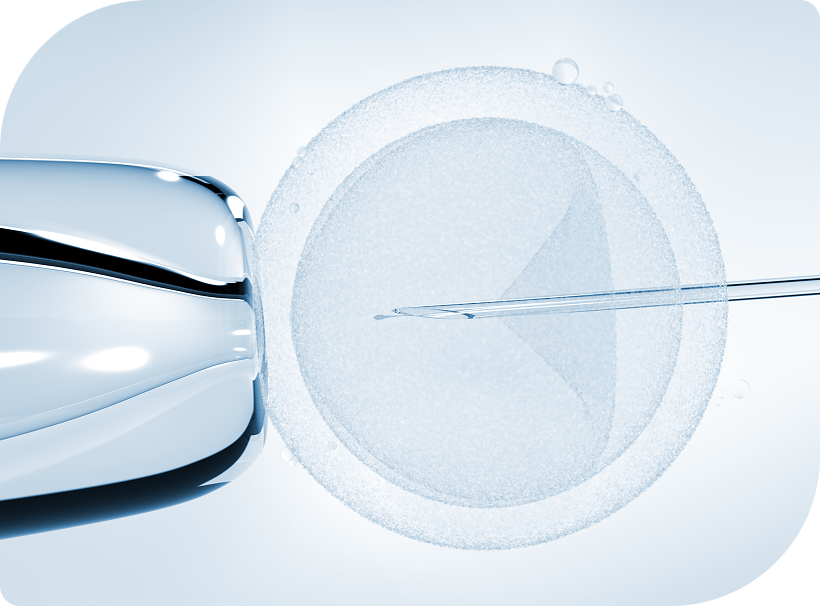
ICSI is a technique used in assisted reproductive technology (ART) to help increase fertilization rates. It was initially used to overcome severe male infertility. In this procedure, a single sperm is injected directly into an egg. It is now more commonly used routinely for most patients undergoing IVF.
How It Works: After egg retrieval, a highly skilled embryologist selects a single healthy appearing sperm and injects it into the egg. ICSI is especially useful when the sperm count or motility is low.
Who is it for?
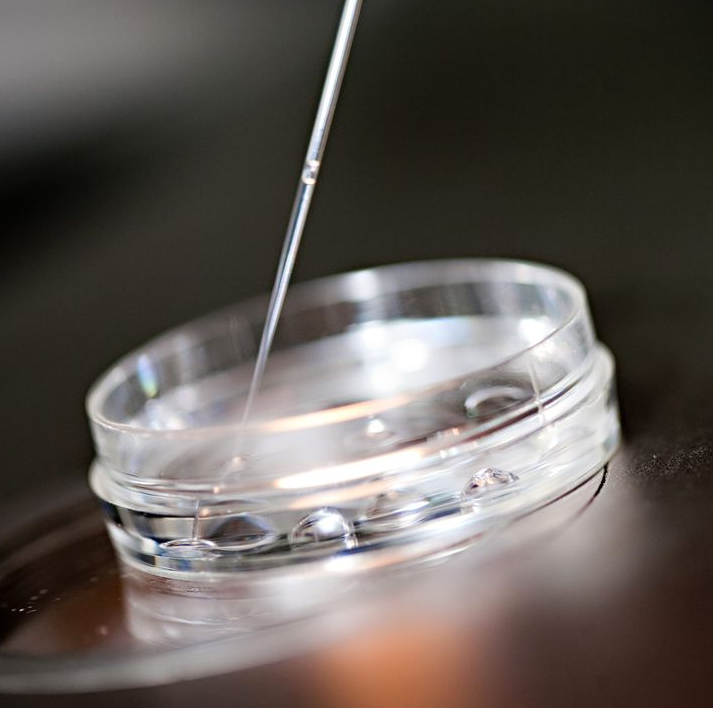
For some individuals and couples, using donor eggs or sperm may be the best or only path to achieving a successful pregnancy. This option is recommended when one partner’s eggs or sperm are not viable due to age, genetic factors, or medical conditions.
Donor Egg: Women who cannot conceive with their own eggs (due to age, diminished ovarian reserve, or genetic concerns), can use a donor egg fertilized with their partner’s sperm or donor sperm.
Donor Sperm: Donor sperm can be used for men with no viable sperm or for single women and same-sex female couples.
Who is it for?
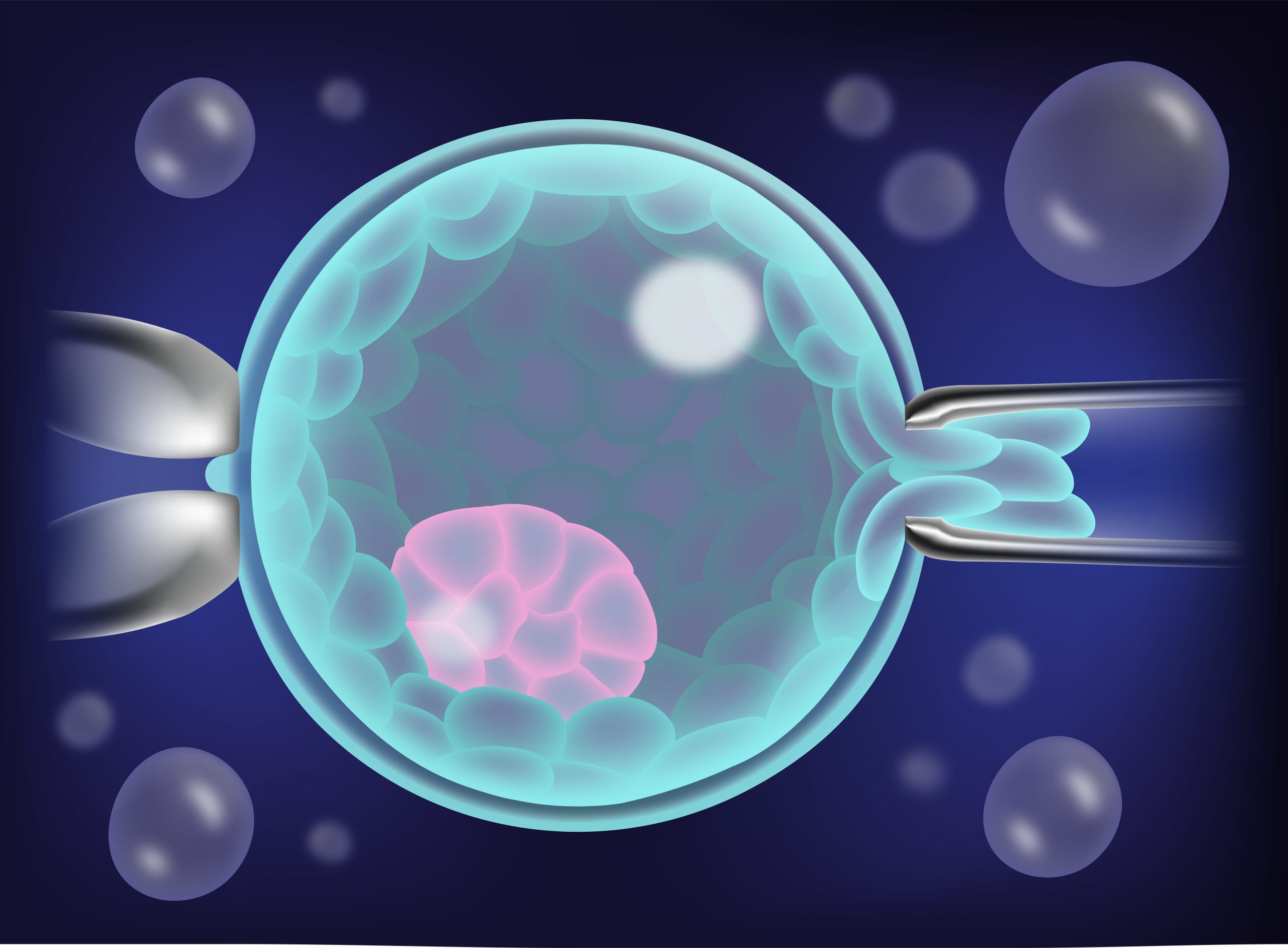
Preimplantation genetic testing (PGT) is used in conjunction with IVF to screen embryos for chromosomal abnormalities and/or genetic conditions before they are transferred to the uterus. This can improve the chances of a successful pregnancy and reduce the risk of genetic diseases.
After the embryos are created through IVF, a few cells of the outer part of the embryo (which will become placenta, called trophectoderm) are biopsied from each embryo and tested for chromosomal abnormalities (PGT-A) or specific genetic conditions (PGT-M).
Who is it for?
.jpg)
For women who cannot carry a pregnancy due to medical reasons, the use of a gestational carrier may be necessary. A gestational carrier is a woman who carries a pregnancy for someone else, using the intended parents’ embryo.
Who is it for?
.jpg)
Fertility preservation allows individuals to freeze their eggs, sperm, or embryos for future use. This is particularly valuable for individuals undergoing medical treatments such as chemotherapy, which can affect fertility, or those who wish to delay childbearing for personal or professional reasons.
How It Works:
Eggs or sperm are collected, frozen, and stored until the individual is ready to use them. Frozen embryos can also be created and stored.
Who is it for?
Want to learn more? Contact us at 310 855-3688 or email hello@sashahakmanmd.com or fill out a form today to schedule a consultation!
Check out my blog to help guide you throughout your fertility journey!
.png)
Connect with one of our experienced fertility specialists to explore your options. We’re here to guide and support you every step of the way.
Book an AppointmentGet evidence-based insights on hormones, fertility, and women's health delivered weekly to your inbox.
©2026 Dr. Sasha Hakman, MD. All Rights Reserved